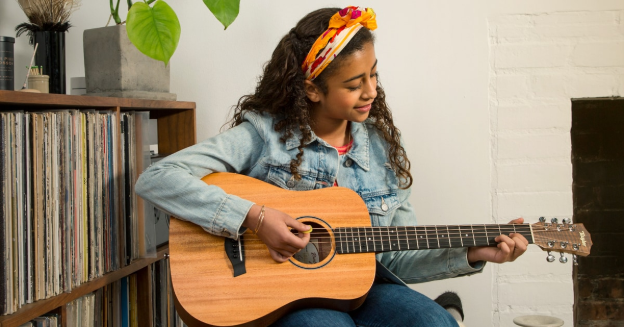
Learning to play a musical instrument is exciting, but it also takes time and effort. Many people start with enthusiasm but give up too soon. The key is to approach learning the right way. Whether you want to play for fun or aim to perform professionally, following some simple steps can make the process smoother and more enjoyable. Here are five practical tips to help you on your musical journey.
1. Start with the Right Instrument
Choosing the right instrument makes a big difference in your learning experience. If you pick something that doesn’t match your interest, you may lose motivation quickly. Think about the type of music you love and the instrument that fits your style.
If you like classical music, the violin or piano might be a good choice. If you enjoy rock, a guitar or drums may suit you better. Also, consider the difficulty level of the instrument. Picking an instrument that matches your patience and dedication will help you stay consistent.
2. Take Guitar Lessons to Build a Strong Foundation
If you want to learn the guitar, proper guitar lessons can help you avoid bad habits. Many beginners try to learn from random online videos, but this often leads to frustration. A structured lesson plan, whether from a teacher or a trusted online course, will give you step-by-step guidance.
You’ll learn proper finger placement, strumming techniques, and how to read chords the right way. Consistent practice is also important. Set aside at least 20-30 minutes daily to build muscle memory.
3. Practice Smart, Not Just Hard
Many beginners think practicing for hours will make them better faster. But practice without focus can be a waste of time. Instead of just repeating the same mistakes, break your practice into smaller, focused sessions. Work on difficult parts of a song separately before playing it all together.
Also, use a metronome to develop a good sense of timing. Slow down tricky sections and gradually speed them up as you improve. Recording yourself can also help. Listening to your own playing allows you to notice mistakes that you may not catch while playing.
4. Join a Band or Orchestra for Real Experience
Playing alone is great, but making music with others takes your skills to the next level. When you join bands and orchestra, you learn teamwork, rhythm, and how to stay in sync with other musicians. It also makes practice more fun and motivating.
If you’re a beginner, don’t be afraid to start small. Look for local music groups, school bands, or even online communities where musicians collaborate.
5. Stay Patient and Enjoy the Journey
Learning an instrument takes time. You won’t become an expert overnight, and that’s completely okay. Some days will feel frustrating, and you might struggle with certain techniques, but the key is to keep going. Progress happens in small steps, and every little improvement matters.
Remember why you started. Whether it’s for personal enjoyment or a bigger goal, playing music should be a fun and rewarding experience. With time and dedication, you’ll see how far you’ve come.
Conclusion
Playing a musical instrument is one of the most fulfilling skills you can learn. It improves creativity, focus, and even mental health. But to succeed, you need the right approach. Pick the right instrument, take structured lessons, practice smartly, play with others, and most importantly, stay patient. If you follow these steps, you’ll not only learn to play but also enjoy the process along the way.